
Here Are Some Explanations
Modern Filtration Technology: How It Works, Types, and Benefits for Today’s Industry
Modern industries rely heavily on clean air and water to maintain product quality, safety, and efficiency. Traditional filtration methods are no longer enough to meet today’s standards. This is where modern filtration technology plays a key role, offering more advanced, efficient, and reliable solutions.
How It Works
Modern filtration systems operate through multiple stages. First, pre-filtration removes large particles like dust or debris. Next, main filtration uses advanced materials such as membranes or activated carbon to capture smaller contaminants, including bacteria and chemicals. Finally, post-filtration ensures the output meets strict quality standards.
Many systems today also include automation and sensors, allowing real-time monitoring and better performance without interrupting operations.
Types of Filtration Systems
Several types of filtration technologies are commonly used in industry:
HEPA Filters: Capture up to 99.97% of airborne particles, ideal for clean environments.
Activated Carbon Filters: Remove odors, gases, and chemical pollutants.
Membrane Filtration: Includes reverse osmosis and ultrafiltration, mainly used for water treatment.
Sand Filters: Effective for removing larger particles in water systems.
Bag and Cartridge Filters: Common in manufacturing for dust and solid particle control.
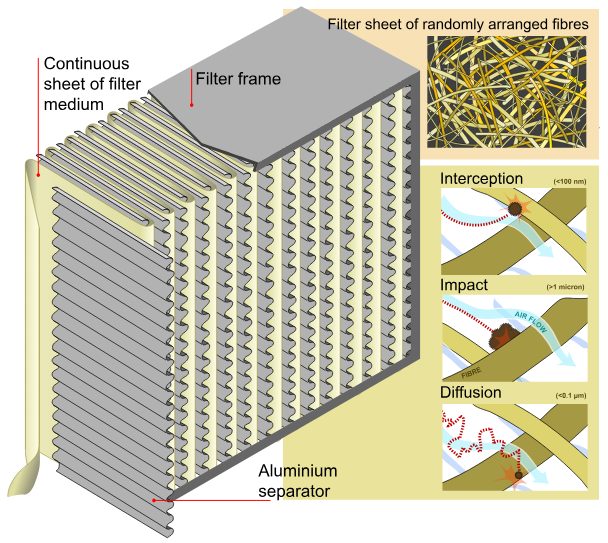
HEPA Filters
High-Efficiency Particulate Air
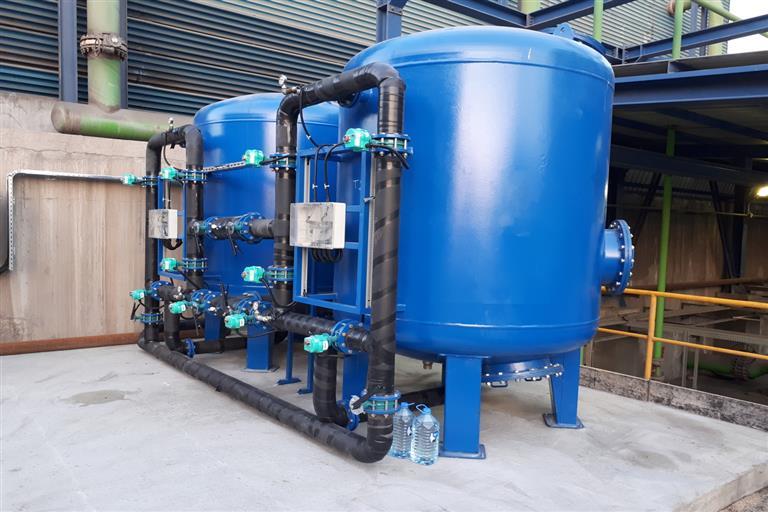
Activated Carbon Filters
typically from coconut shells or coal) to remove impurities from water and air via adsorption
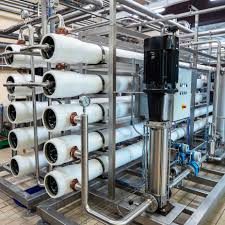
Membrane Filtration
liquid that passes through
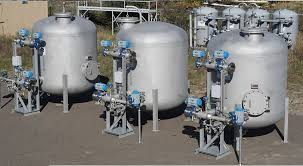
Sand Filters
low-maintenance water filtration systems that remove suspended solids, debris, and some microorganisms by forcing water through sand layers
Leave a Reply